LLM Training · 系列第 2 篇
LLM Training: from Data to Dialogue
模型不是天生就会对话——它要经过三个训练阶段,一步步从"续写文字"变成"能对话的助手"。
上一篇解析了 Transformer 内部机制:给定上下文,算出下一个 token 的概率分布。但这套架构本身不会"对话"——同一套架构,会先后被用在三个不同的训练阶段,每个阶段喂的数据和优化目标不一样,模型的行为也随之一层层变化。
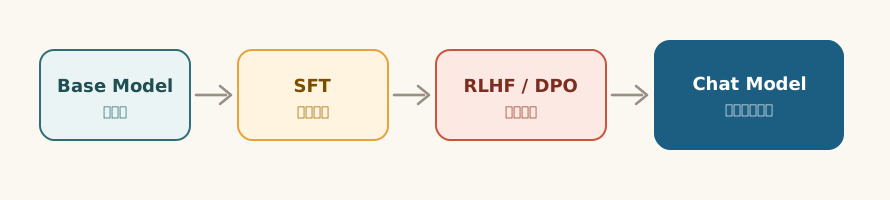
Base Model → SFT → RLHF / DPO → Chat Model
一、Pretraining:先学会语言这个世界
Stage 1 · Base Model预训练要做的事很简单:给定前面的文字,预测下一个词,这正是上一篇拆开的 Next-Token Prediction。
这个阶段产出的是 Base Model:知识面广、语言能力强,但还不"听话"——给它一个问题,它可能直接回答,也可能接着往下编出更多问题,因为它学的始终是"续写",没人教过它"该在什么时候停下来给出答案"。
二、Instruction Tuning:从续写到执行任务
Stage 2 · SFT只做过预训练的模型更像一台"文字接龙"机器。指令微调(SFT,监督微调)的做法,是给模型看大量人工编写或筛选过的"指令-回答"样例——问答、摘要、改写、分类、代码、推理都覆盖到,且回答直接紧跟在指令后面。模型看多了这种样例,学到的是一种新的行为模式:看到指令,就该给出对应的完整回答,而不是继续往下编。
三、Preference Alignment:输出符合"人类偏好的答案"
Stage 3 · RLHF / DPO同一个问题可以有很多种"过得去"的回答,但哪个更清楚、更安全、更有帮助,SFT 阶段的数据不足以教会模型这件事。偏好对齐会收集人(或模型)对多个候选回答的偏好排序——"这个回答比那个更好"——用这些偏好信号继续调整模型。RLHF(基于人类反馈的强化学习)和 DPO(直接偏好优化)是这一阶段两种代表性的方法,思路都是让模型的输出更靠近"人更偏好的那个答案"。
模型的"性格"——谨慎还是直接、简洁还是详细——很大程度上是这一步调出来的,而不是预训练自带的。
总结
LLM 的训练是一条链路:先学会语言本身,再学会执行任务,最后学会对齐人的偏好。
三个阶段用的是同一套 Transformer架构——变的是训练数据和优化目标,架构本身没有变。