AI Evaluation · 系列第 3 篇
Beyond Benchmarks: How to Evaluate LLM Capabilities
本文参考了 DeepSeek-V4 论文中的评估体系。
LLM 的能力是多个维度的:一个模型可能数学很强,写作一般;聊天很流畅,但修复真实 bug 不稳定;短题答得好,一放进长文档或 Agent 工作流就掉链子。
LLM 评估主要有以下几个维度(暂不考虑多模态能力)
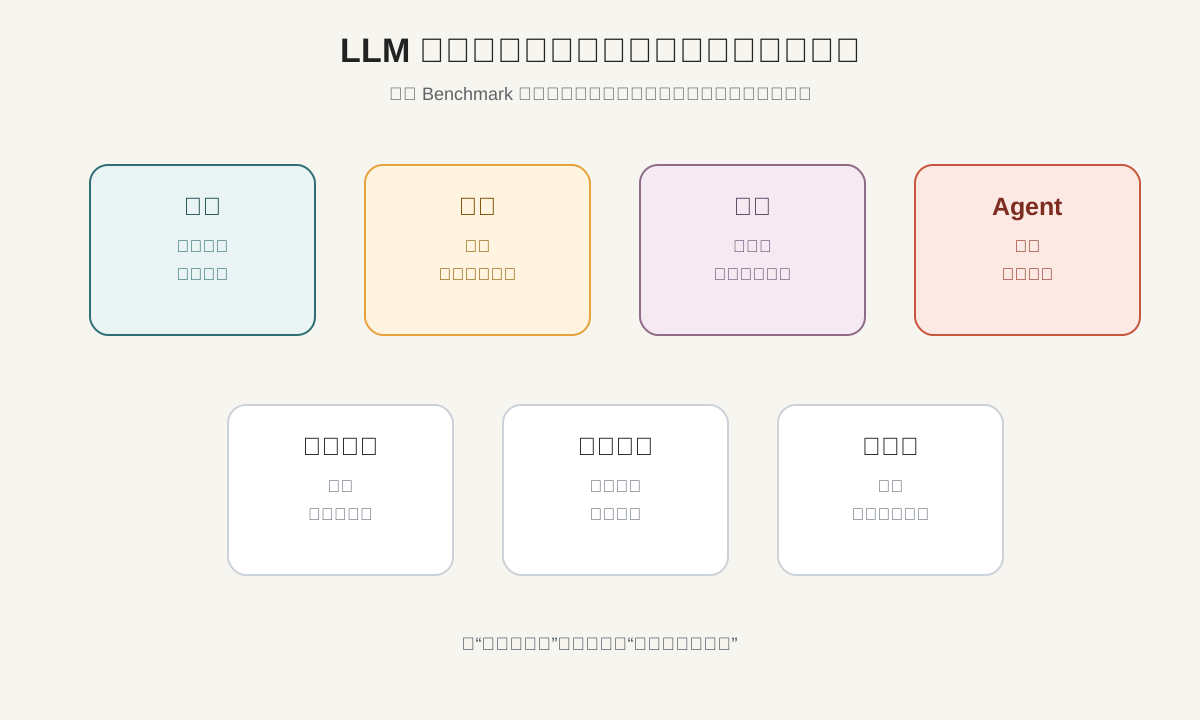
评估也是分阶段的
LLM 的训练分 Pre-Training(预训练)和 Post-Training(后训练)两个大阶段。不同阶段出来的模型,能力侧重不同,评估方法也不同。加上最后在真实任务中的表现,完整的评估体系一共有三个阶段。
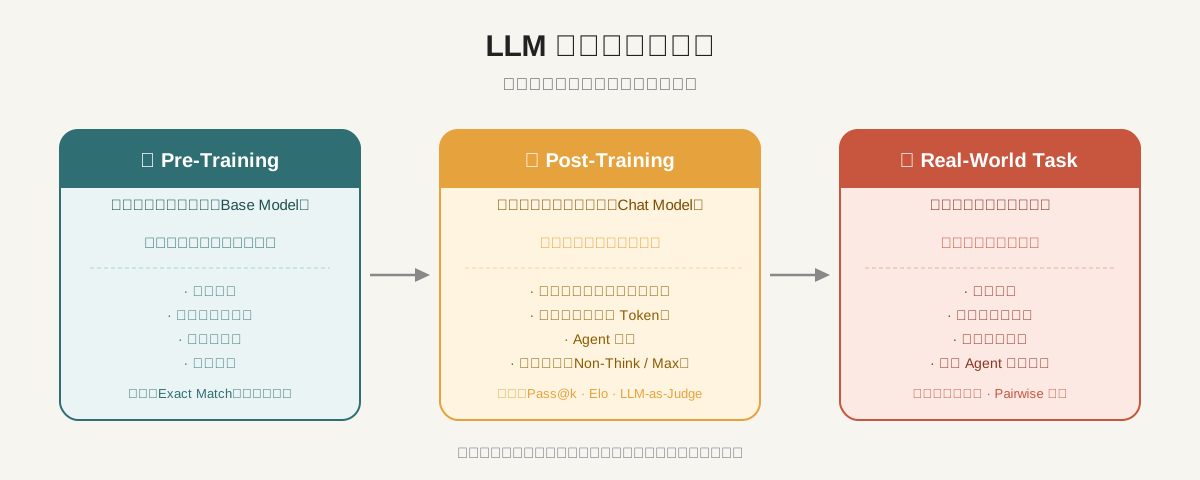
一、Pre-Training:Base Model Evaluation
这个阶段评测什么
① Pre-Training · Base Model预训练结束后,得到的是 Base Model。它还没有经过指令微调,不会"听话",不擅长对话,但它是所有后续能力的地基。
核心目标是:在只做大规模 next-token prediction 训练时,模型有没有学到语言、知识、推理、代码、数学等基础能力?架构设计是否有效,数据质量是否够高?
主要 Benchmark
基座模型的评测通常覆盖四个维度:
世界知识
测的是"模型记住了多少、记得准不准"。
常见 Benchmark:MMLU、MMLU-Pro、C-Eval(中文知识)、CMMLU、TriviaQA、SimpleQA、FACTS Parametric。
题目有标准答案,评分方式是 Exact Match(精确匹配),客观、自动化、可重复。
语言理解与推理
测的是"模型能不能理解语言逻辑,完成复杂推断"。
常见 Benchmark:BBH(BIG-Bench Hard)、DROP、HellaSwag、WinoGrande。
BBH 被专门设计成"让模型难以靠记忆做对"的题集,更能测出真实推理能力。
代码与数学
测的是结构化推理和程序生成能力。
常见 Benchmark:HumanEval(Pass@1)、BigCodeBench、GSM8K、MATH、CMath。
这类题有执行环境做验证,答案对不对不靠人判断,是目前最可靠的自动评估之一。
长上下文
测的不是"上下文窗口有多长",而是"模型在很长的输入里,能不能找到并用好关键信息"。
常见 Benchmark:LongBench-V2(多任务长文档理解)。
评测方法
这个阶段以自动化客观评分为主:
- 多数题目用 Exact Match(EM):模型输出必须与标准答案完全匹配
- 通常用 few-shot 提示(比如 5-shot),给模型几道例题后再提问,减少格式差异带来的噪音
- 所有模型在同一评估框架下跑,结果才有横向可比性
DeepSeek-V4 论文特别说明:分数差距不超过 0.3 视为同水平,避免把统计误差当成真实差距。
二、Post-Training:Standard Benchmark Evaluation
这个阶段评测什么
② Post-Training · Chat Model经过 SFT(监督微调)和 RL(强化学习)后,得到的是对齐模型(Chat Model),也就是用户实际使用的版本。
这个阶段的评测,目标是:验证模型在真实指令下的综合能力,包括知识调用、推理深度、工具使用和多步骤任务完成。
题目比预训练阶段难得多,覆盖的场景也更接近实际使用。
主要 Benchmark
知识与推理(含前沿难题)
- MMLU-Pro、GPQA Diamond:研究生级科学题,需要深度推理
- HLE(Humanity's Last Exam,人类最后考试):目前最难的多学科综合评测,题目由顶尖学者出题
- LiveCodeBench:持续更新的真实竞赛代码题,避免训练数据污染
- IMOAnswerBench:国际数学奥林匹克水平题目
- Codeforces(竞赛 Elo 排名):让模型参加真实编程竞赛,计算 Elo 评分
长上下文(百万 Token 级别)
- MRCR(Multi-Round Context Retrieval):在百万 Token 中做多针检索,测模型能不能在超长输入里找到所有相关信息
- CorpusQA:更接近真实场景的长文档问答
Agent 能力
Agent 评测是目前发展最快的方向,测的是模型能否在真实工具环境里完成多步骤任务:
| Benchmark | 测试内容 |
|---|---|
| SWE-Verified | 修复真实 GitHub issue,能否通过测试 |
| Terminal Bench 2.0 | 终端命令行操作任务 |
| BrowseComp | 网页浏览 + 复杂信息检索 |
| MCPAtlas / Tool-Decathlon | 跨多种工具、MCP 服务的综合使用 |
DeepSeek-V4 在设计 Agent 评测时,刻意把工具集限制到最少——只给模型 bash 和 file-edit 两个工具,目的是测真实推理能力,而不是工具工程能力。
评测方法
这个阶段的方法开始多元化,因为任务类型不同,评分逻辑也不同。
Pass@k
生成 k 个答案,只要有一个正确就算通过。Pass@1 看稳定性;Pass@8、Pass@16 更像是在看模型的能力上限。适合数学、代码等有明确对错的任务。
Codeforces Elo:把模型当选手参赛
这是 DeepSeek-V4 论文里一个有意思的评估设计:
每道题  →  生成 32 个候选解
        →  随机采样 10 个提交
        →  按真实 Codeforces 赛制计分(错误次数会被扣分)
        →  与真实人类选手历史成绩比较
        →  最终得出模型的估算人类排名
结果:DeepSeek-V4-Pro-Max 估算排在人类选手第 23 位。
LLM-as-Judge(用 AI 当裁判)
有些任务很难用标准答案评分,比如"这段分析有没有深度"、"这段代码是否符合工程规范"。
一种解决方案是用另一个 LLM 来评分,提供评分 Rubric(评分细则),让模型按照细则打分。这叫 LLM-as-Judge,也叫 Generative Reward Model(生成式奖励模型)。
DeepSeek-V4 在后训练阶段放弃了传统的标量打分模型,改用这种方式评估难以自动验证的任务。优点是覆盖面广,缺点是评审模型本身也可能有偏见,需要谨慎使用。
推理预算:一个容易被忽视的变量
评测 Post-Training 模型时,还有一个关键变量经常被忽视:模型用了多少推理 Token?
现代推理模型支持不同的"思考深度",DeepSeek-V4 把它分成三个模式:
| 模式 | 特点 | 适合场景 |
|---|---|---|
| Non-Think | 直接回答,不输出思维链 | 日常对话、快速响应 |
| Think High | 有限推理预算,输出 <think> 过程 | 中等复杂任务 |
| Think Max | 最大推理预算,彻底展开推理 | 探索模型能力上限 |
同一个 DeepSeek-V4-Pro,在 HLE(人类最后考试)上的成绩:
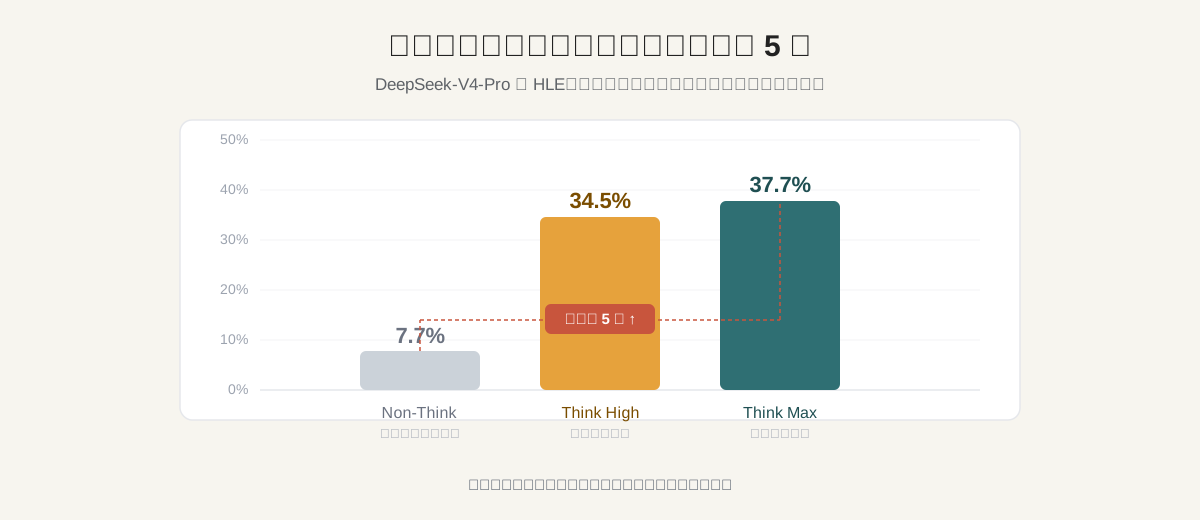
Non-Think 模式 7.7%,Think Max 模式 37.7%,差距将近 5 倍。
如果一篇评测报告没有注明推理模式,它的数字就没有可比性。两个模型的 HLE 分数,一个用了 Max 模式,另一个用了 Non-Think,直接对比不具有参考性。
三、Real-World Task:真实场景评测
为什么还需要真实场景评测
③ Real-World Task"标准化 Benchmark 往往难以捕捉真实任务的复杂性,测试结果和实际用户体验之间存在差距。"——DeepSeek-V4 论文
标准 Benchmark 解决的是"可比性"问题。但它终究是"题目",真实工作不是题目。真实任务通常包含:模糊需求、多轮上下文、隐含偏好、格式要求、领域规范——这些很难塞进一道标准化的题目里。
所以,严肃的评估体系会在标准 Benchmark 之外,额外设计真实场景评测,验证模型能不能真正服务用户。
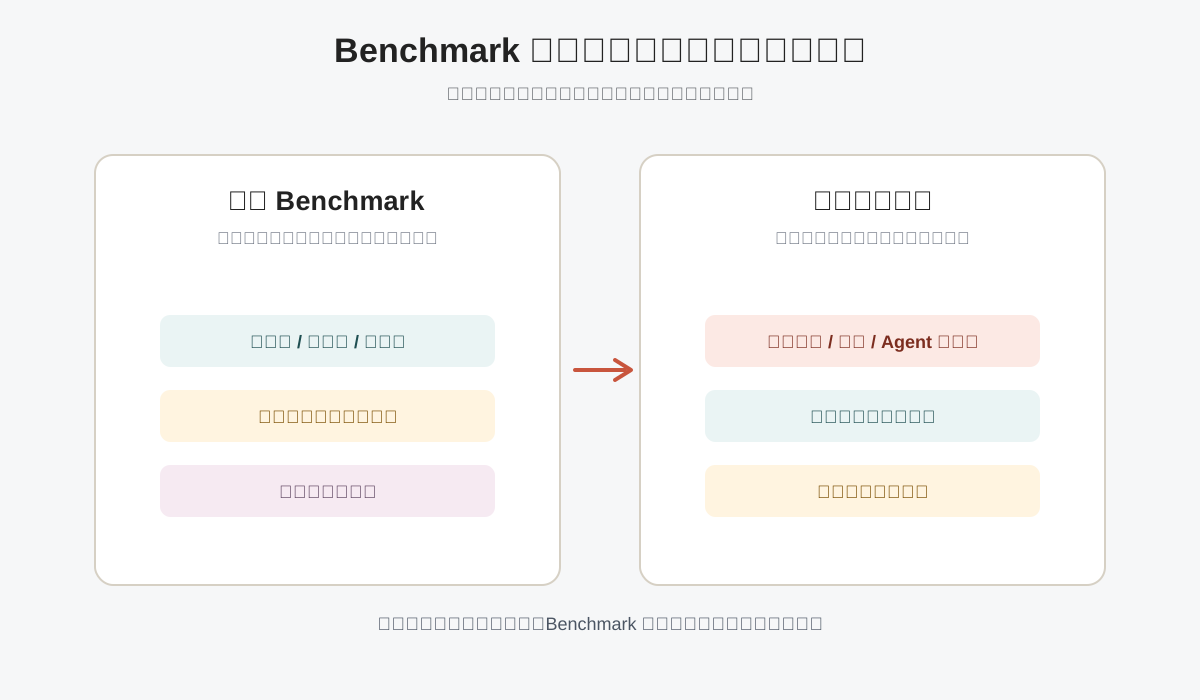
主要任务类型
写作质量
测模型能不能写出真正好用的内容,不只是"文字通顺"。
DeepSeek-V4 做了两类中文写作评测:
- 功能性写作:3170 道题,覆盖商务文书、媒体文案、学术写作、公文等 30+ 子类
- 创意写作:2837 道题,覆盖小说、散文、诗歌等文体
评测结果用胜率衡量:DeepSeek-V4-Pro 在功能性写作上对 Gemini-3.1-Pro 的总体胜率为 62.65% vs 34.10%。
搜索能力
测模型在接入搜索工具后,能不能真正找到并整合信息。DeepSeek-V4 对比了两种搜索策略:
- RAG(检索增强生成):一次性检索,喂给模型
- Agentic Search(智能体搜索):模型自己决定搜什么、搜几次、怎么整合
869 道题的测试结果:Agentic Search 胜率 61.7%,RAG 只有 18.3%。特别是在"原因分析"和"规划策略"类问题上,差距最明显——这类任务需要迭代搜索,一次性检索往往不够。
企业白领任务
测模型在职业场景里的实际输出质量。DeepSeek-V4 设计了 30 个高难度任务,跨越金融、法律、教育、技术等 13 个行业,评估四个维度:
| 评估维度 | 含义 |
|---|---|
| 任务完成度 | 核心问题有没有被真正解决 |
| 指令遵循 | 有没有遵守格式、约束、特殊要求 |
| 内容质量 | 事实准确性、逻辑连贯性、专业深度 |
| 格式美观 | 排版可读性、视觉呈现 |
代码 Agent 工程任务
测模型在真实 R&D 环境里能不能独立完成工程任务。DeepSeek-V4 从 50+ 工程师的真实工作中收集了约 200 道题(PyTorch、CUDA、Rust、C++ 等),每道题配有原始仓库、执行环境和人工评分 Rubric,最终筛选出 30 道作为评测集。
| 模型 | Pass Rate |
|---|---|
| Claude Haiku 4.5 | 13% |
| Claude Sonnet 4.5 | 47% |
| DeepSeek-V4-Pro-Max | 67% |
| Claude Opus 4.5(标准) | 70% |
| Claude Opus 4.6(思考版) | 80% |
评测方法
真实场景任务大多没有标准答案,所以评分方式也不一样。
Pairwise 人工盲评
同一个任务,给两个模型各做一遍,让评审者在不知道哪个是哪个模型的情况下判断:A 更好、B 更好、还是差不多?最终统计 Win / Tie / Lose。
盲评的关键是评审者不知道模型身份,避免品牌偏见影响判断。这种方法适合写作、分析、企业任务这类主观性强的评测。局限是成本高、速度慢,而且评审者之间的偏好不一定一致。
LLM-as-Judge 结合 Rubric
对于规模更大的评测,完全靠人工不现实。另一种做法是:先设计详细的评分细则(Rubric),再用 LLM 按照细则评分,代替部分人工打分。这可以大幅扩展评测规模,但评审模型本身的偏见和盲点也会带进来。
总结
LLM 评估不是一个分数,而是三层叠加:
Pre-Training 评测模型的知识地基和架构效率
Post-Training 标准 Benchmark模型在各类能力上的横向可比位置
Real-World Task 评测模型在真实场景里到底好不好用